
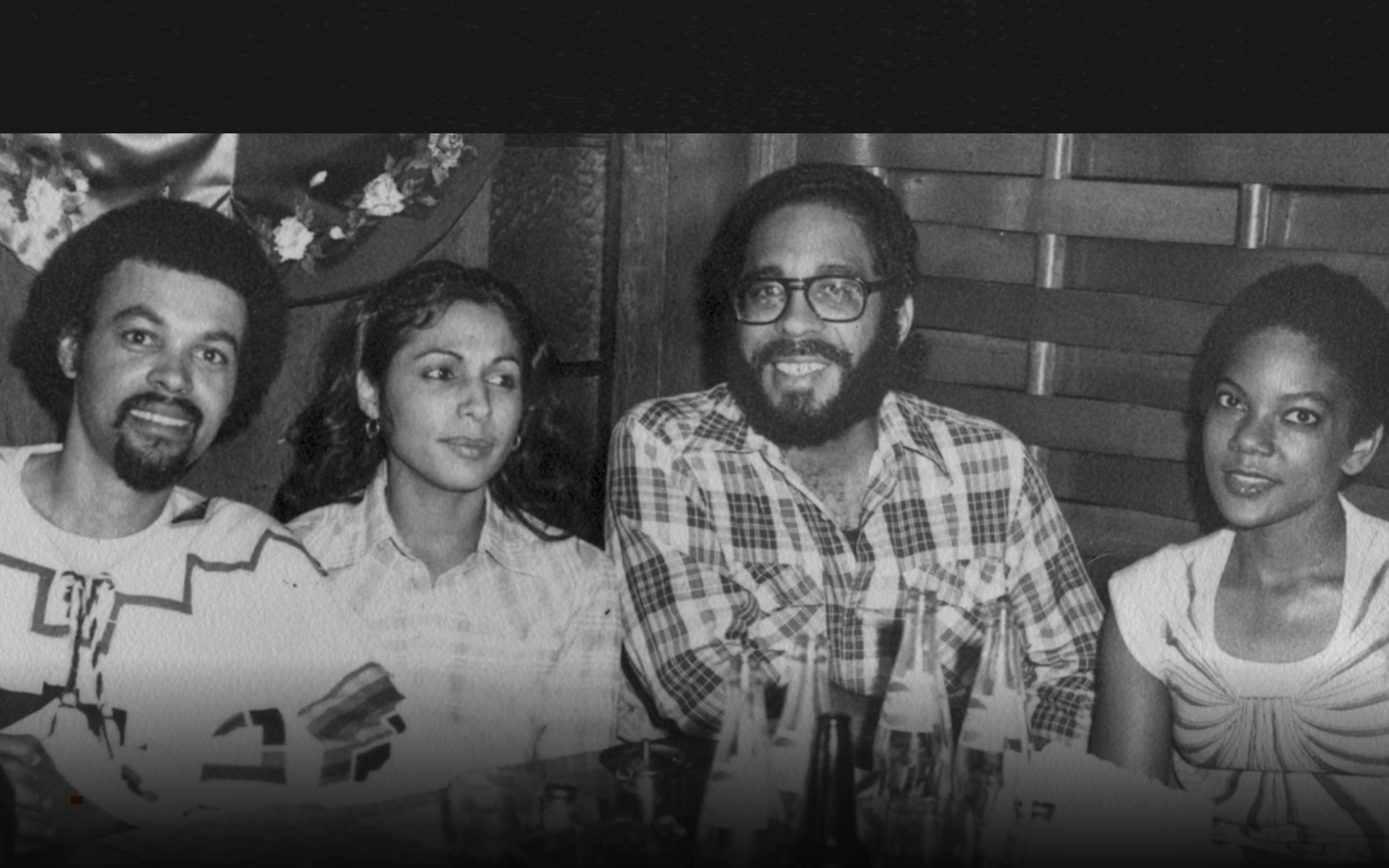


When four young community organizers and activists agreed to unionize home caregivers in California in 1977, few gave them any chance of success. At the time, these workers—who provided essential care for the elderly, children and people with disabilities in private homes—were largely invisible to the public, and no union had ever successfully organized them.
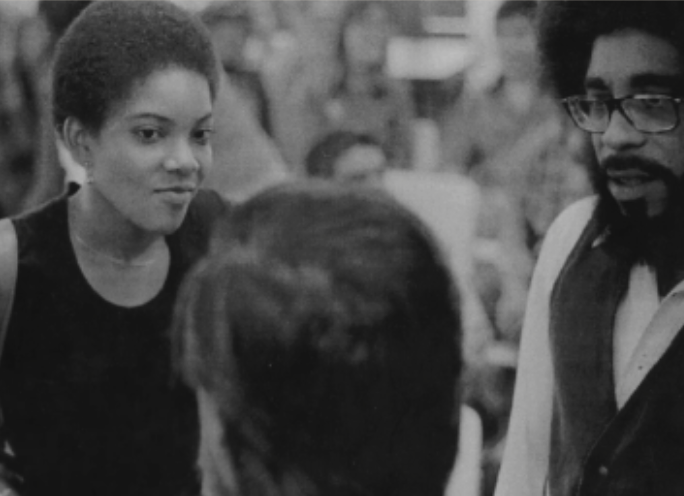
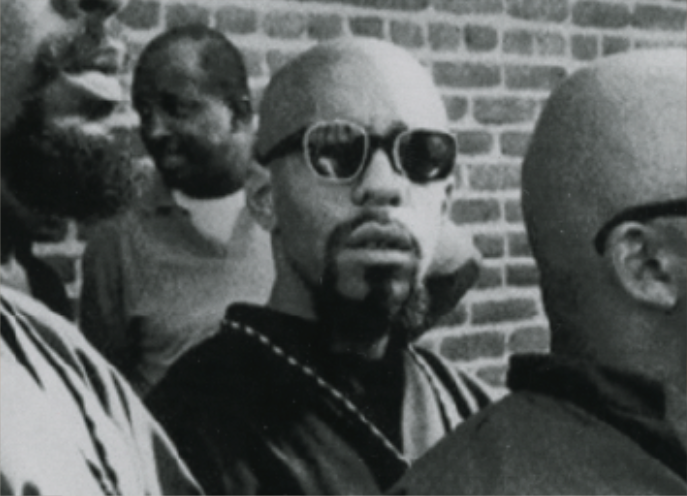
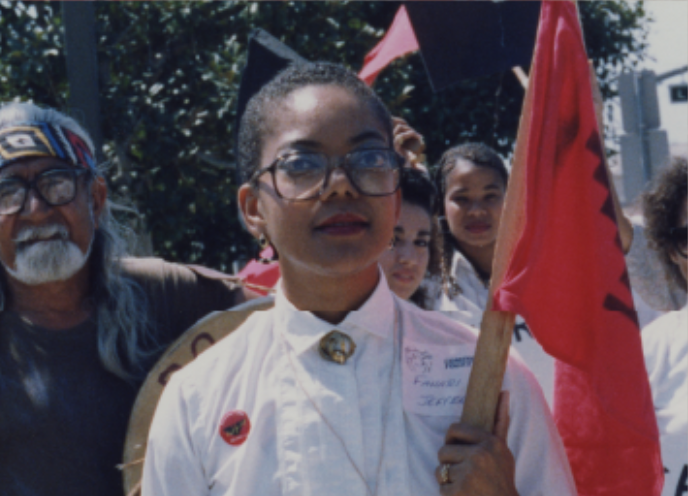
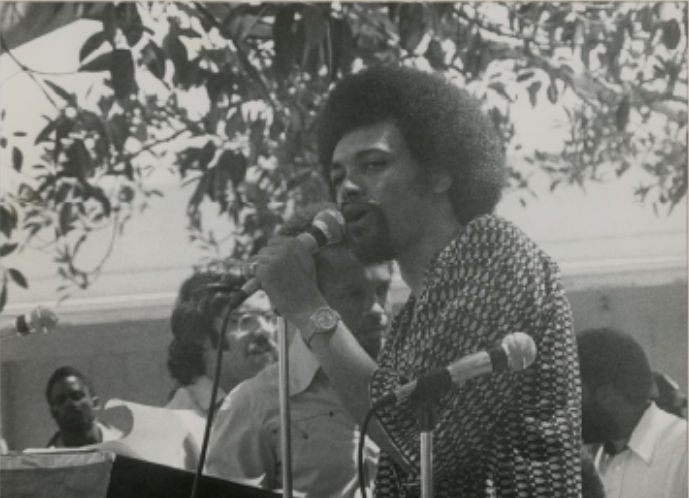
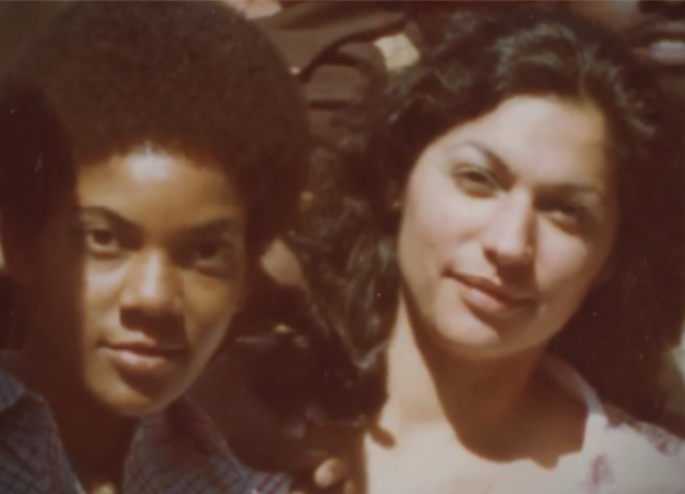
With virtually no prior experience in labor organizing, Fahari Jeffers, Ken Seaton-Msemaji, Greg Akili and Raquel Beltran, were determined to defy the odds and make history.


Against The Odds is set against the backdrop of a demographic juggernaut confronting society as the aging baby boomer generation triggers an unprecedented demand for home care services. According to one report, “The aging of the baby boom generation could fuel a 75 percent increase in the number of Americans ages 65 and older requiring nursing home care”. Yet at the same time, there is persistent devaluation of these workers. An Atlantic article states that the devaluation is by design. “American capitalism relies on free and cheap domestic labor.” The author, Angela Garbes notes, “Whereas the median wage for workers in this country is nearly $20 an hour, it is barely $12 for domestic workers.”




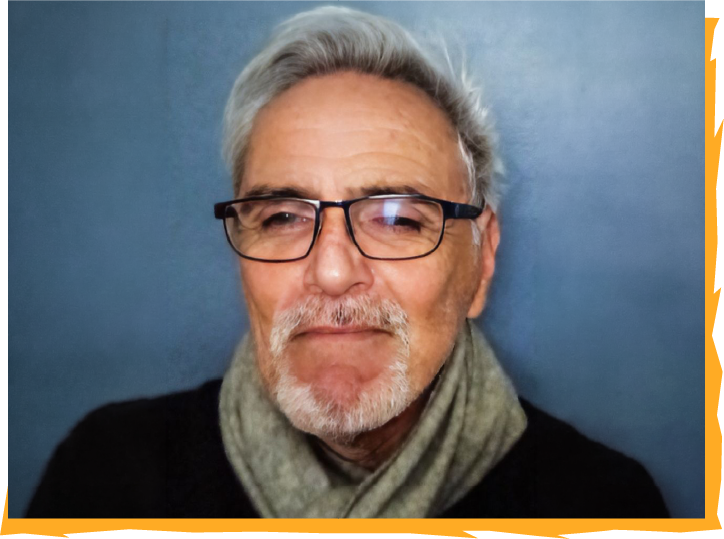

The Director
Producer/Director, has more than 50 years experience as a broadcast journalist, documentary director, writer, producer and instructor. He has won numerous directorial awards including best documentary at the San Francisco International Film Festival and the duPont-Columbia Silver Baton. Saiz was Senior Programming Manager at the Independent Television Service for nearly 12 years where he ran their largest funding initiative.



Co-Director/Editor
Sam has written, produced, and directed over a hundred commercials, documentaries, and reality shows at Apollo Studios in Los Angeles, California. His film work emerges from his experiences living in and exploring communities and cultures around the world. His work has been featured on Apple TV, HBO and Amazon Prime.

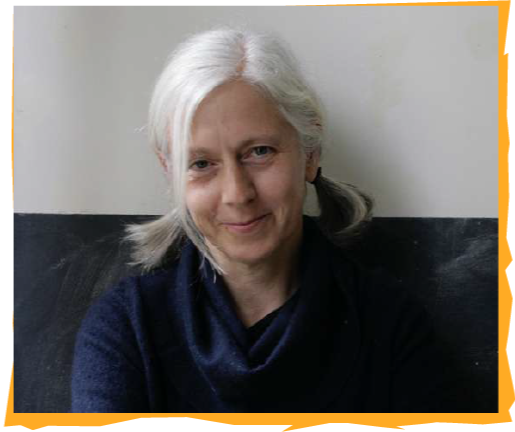
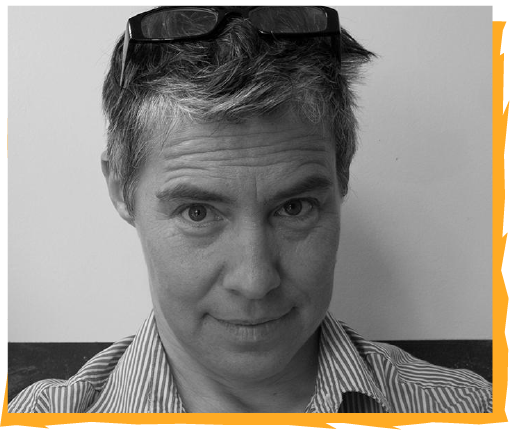

Directors of Animation
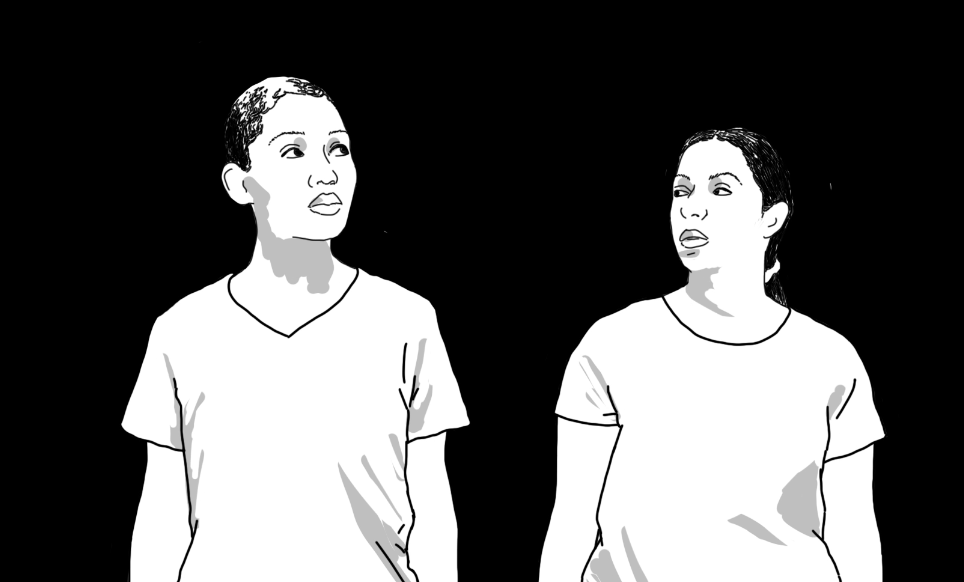
Dee Hibbert-Jones and Nomi Talisman are Academy Award nominated, Emmy® award winning filmmakers for their documentary short film, and internationally recognized artists. Their work incorporates animation, installation, public art and documentary film. Hibbert-Jones and Talisman are Guggenheim Fellows and MacDowell Fellows, and The Center for Documentary Studies at Duke University awarded them the 2015 Filmmaker Award. Most recently, they were awarded a Creative Capital Award, a residency at The San Francisco Film Society (Filmhouse Residency), a United States Congressional Black Caucus Veterans Braintrust Award in recognition for their “outstanding national commitment to civil rights, and social justice.’, and the California Public Defenders Association 2016 Gideon Award for support to indigent minorities.
For more information on Dee & Nomi's work go to: https://livingconditionfilms.net/

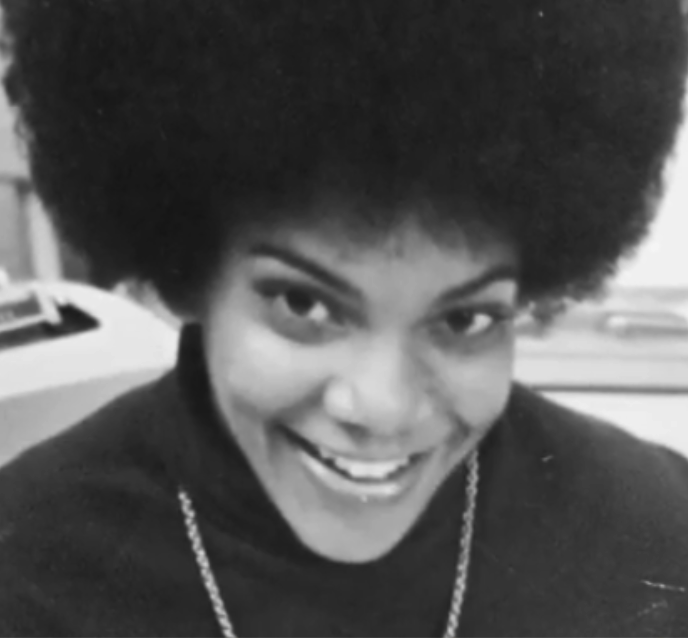

When Fahari and Ken fell in love, they were already immersed in the Black Liberation Movement of the 1960s and 70s. They were drawn to Dr. Maulana Karenga, who created the tradition of Kwanzaa and whose teachings focused on black cultural nationalism.
When Ken moved to San Diego to live with Fahari, they became active in Nia Cultural Organization, modeled after Dr. Karenga’s US organization. In 1971.
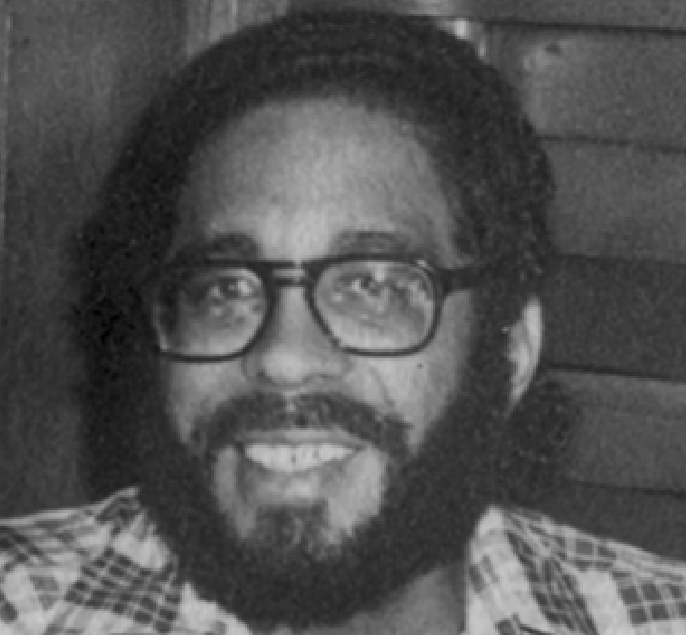

When Ken met Akili, he could tell right away that he was a skillful communicator. He invited Akili to join Nia. Akili eventually became the organization’s vice-chairman (Ken was the chairman). Akili’s journey towards Black Liberation began in prison, where he was serving a sentence for a drug offense. During his incarceration, he began reading the writings of Malcolm X, and it was as if a light went on; he realized that, like Malcolm, the first step towards liberation was embracing his identity as a Black man.
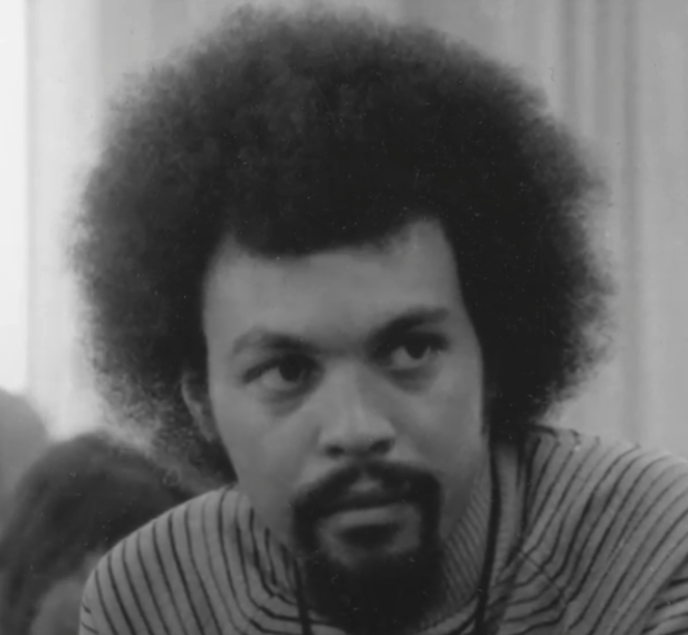

The walls of Ken’s office reveal a life long involvement in community, political and labor organizing. His involvement was forged while growing up in the largely African American community of Watts in Los Angeles. The turning point in Ken’s life came in the summer of 1965 when the Watts revolt exploded for six days. Ken says the media referred to it as a riot, but he calls it a rebellion against police brutality and racism. Fighting the police gave him a sense of agency for the first time.
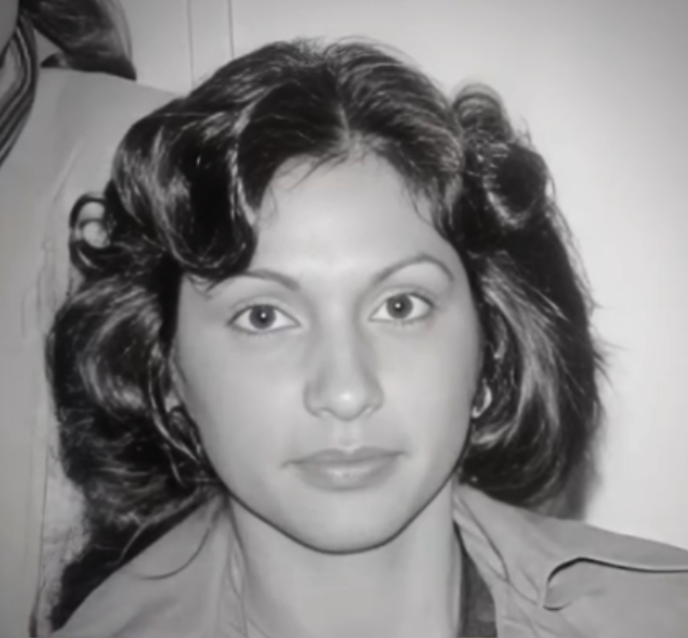

Like Fahari, Raquel was the first in her family to attend college, breaking away from the traditional role of Mexican American young women at the time. While her parents took pride in her achievements, they did not understand her decision to abandon it all and move in a different direction. Raquel decided to immerse herself in the Chicano Movement and to fight for educational opportunities and other civil rights for Mexican Americans.

WATCH THE FILM


Contact the film’s director, Richard Saiz for a screening password: dlealsaiz@gmail.com